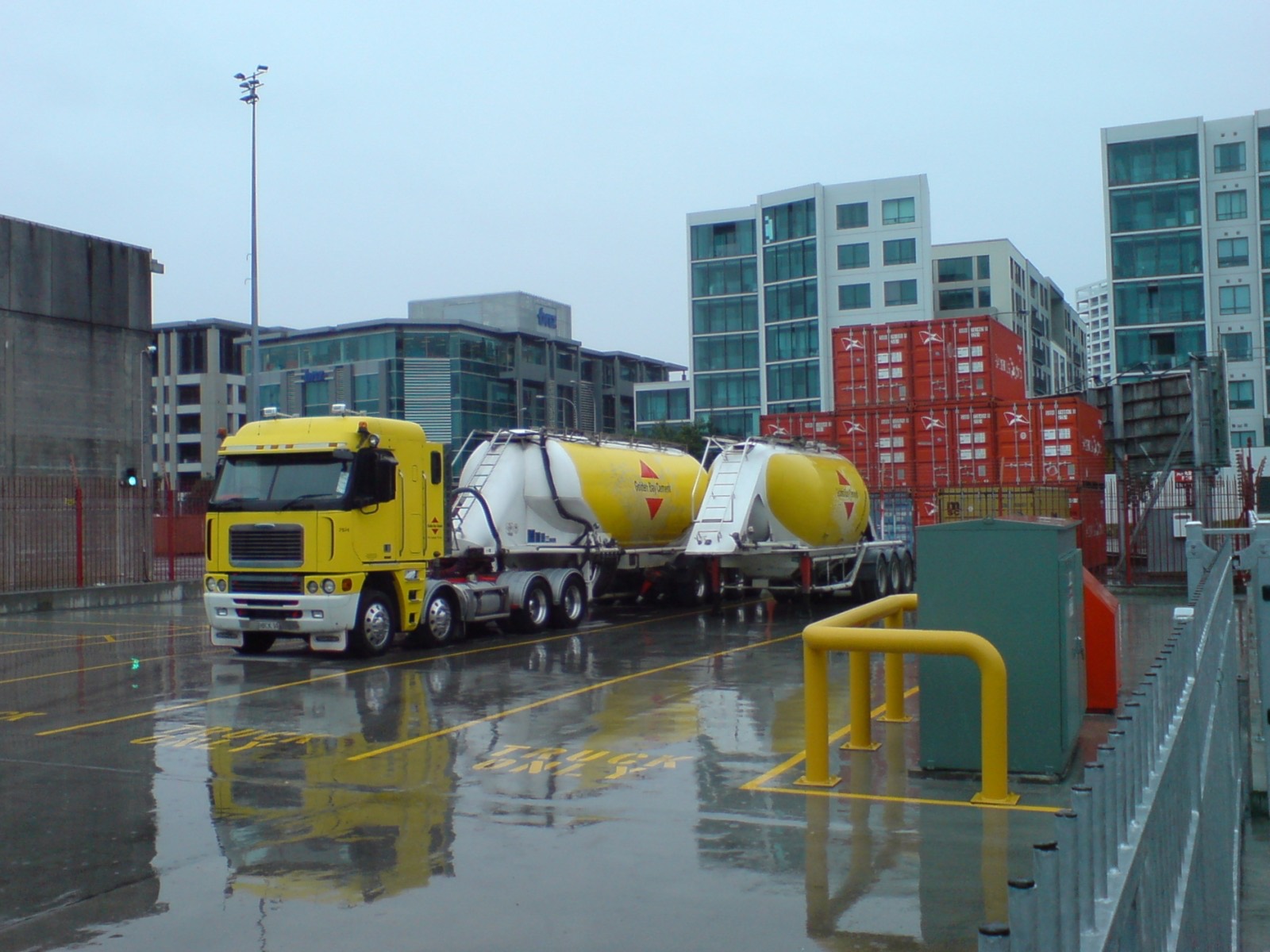
Cement was a boring trade until January 2026. High volume, low margin, decided on freight and proximity. Then the EU Carbon Border Adjustment Mechanism went fully live and turned a producer's emissions paperwork into a line item worth more than most of the margin. Suppliers who can evidence their actual carbon intensity are now structurally cheaper than suppliers who cannot, regardless of their ex-works price.
The 30-second version
- CBAM went fully live at the start of 2026, after a two-year transition phase of reporting without payment.
- Türkiye supplies roughly 35% to 39% of all EU cement imports, about 3.3 to 4.8 million tonnes a year.
- France, Italy and Romania import the most clinker and Portland cement in the EU.
- CBAM cost for Turkish or Egyptian origin runs about US$12 to US$20 per tonne once emissions are verified.
- The default value is 1.584 tCO2 per tonne against a verified Turkish figure near 0.88. That gap of roughly 80% is paid in cash by whoever fails to document.
The number that decides who wins
CBAM works on embedded emissions. An importer either supplies verified emissions data from the producer, or the mechanism applies a default value. For cement the default sits at 1.584 tonnes of CO2 per tonne, while a reasonably efficient Turkish plant actually runs near 0.88.
Translate that into money at prevailing certificate prices and the difference is roughly the whole margin on a tonne of exported cement. A producer with verified data is selling into Europe at a genuine cost advantage over an identical plant next door that has not completed verification. Nothing about the clinker changed. The paperwork did.
This is why the commercial conversation in this trade flipped so fast. European buyers are not asking who is cheapest. They are asking who can hand over a verified emissions dataset that survives an audit, because the importer of record carries the CBAM liability, not the producer.
Where European cement actually comes from
Türkiye dominates. Depending on the year it accounts for between a third and two fifths of EU cement imports, which makes it the single largest CBAM-covered origin by a wide margin. In Romania the concentration is extreme: Turkish suppliers held around 75% of the market over the twelve months to October 2025.
France and Italy are the other large importers, and they buy differently. Both have substantial domestic production, so imports are marginal supply that flexes with construction cycles and with domestic kiln outages. Romania has less domestic cover and imports structurally. If you are a producer choosing where to spend commercial effort, that distinction matters: Romania is a base-load market, France and Italy are swing markets.
CBAM did not make imported cement uncompetitive. It made undocumented imported cement uncompetitive. Those are very different problems.
What importers now have to do
If you import cement or clinker into the EU, the obligations are real and they are yours:
- Be an authorised CBAM declarant. Without the authorisation you cannot lawfully import covered goods.
- Collect actual emissions data from each producer, per installation, in the prescribed format. A generic sustainability report is not this.
- Buy and surrender certificates against the embedded emissions of what you brought in, net of any carbon price already paid in the country of origin.
- Keep records that survive verification, because the liability sits with you even when the data came from the producer.
The carve-out for carbon already paid at origin is the one most importers underuse. If the producing country operates its own carbon price, that can be deducted, and the arithmetic is worth doing properly rather than assuming the answer is zero. Our CBAM certificate price guide covers how the certificate cost is calculated and where the price has been running.
What producers outside the EU should do
Three things, in order of payback. Get actual emissions verified at installation level, because the default value is punitive by design and closing an 80% gap is the highest-return paperwork in the industry right now. Second, be able to deliver that data in the format European importers need without a two-month email chain, since the buyer's real pain is administrative. Third, document any carbon price you already pay domestically, because that is a direct deduction from your customer's bill and therefore a direct argument for your price.
Egyptian and North African producers sit in a similar position to Turkish ones and are competing for the same European tonnage. Egypt's trade profile is worth a look if you are mapping that competitive set, and the Turkish customs guide covers the practical side of moving goods into and out of the largest supplying origin.
Where the 2026 opportunity sits
The obvious one is displacement. Some share of current supply into Europe will not complete verification in time, and that tonnage has to come from somewhere. Producers who did the work early are picking it up now, not next year. The second is Romania and the eastern member states, where import dependence is structural and the incumbent supplier base is narrow enough that one credible alternative changes the market. The third is outside Europe entirely: CBAM is pushing higher-intensity cement toward non-EU destinations, which loosens competition in African, Gulf and South Asian markets where nobody is counting carbon yet.
How ShipScout helps
Regulation tells you the rules. It does not tell you which importer is exposed, or which lane is about to open. ShipScout answers that with 11B+ shipment records across 240+ countries:
- See cement and clinker importers by country, ranked by volume, with their origins and buying cadence.
- Identify which buyers depend on a single origin, since those are the ones most exposed if their supplier fails verification.
- Track where displaced tonnage is going, lane by lane, as CBAM redirects higher-intensity material away from Europe.
- Pull decision-maker contacts where available and approach with a documented emissions position rather than a price.
Start a free trial and map the importers on your lane.
See who’s importing cement and clinker right now.
ShipScout turns 11B+ shipment records across 240+ countries into a live list of verified buyers and suppliers, ranked by volume, with the contacts to reach them. Create a free account and run your first search in minutes.
Start your free trial →