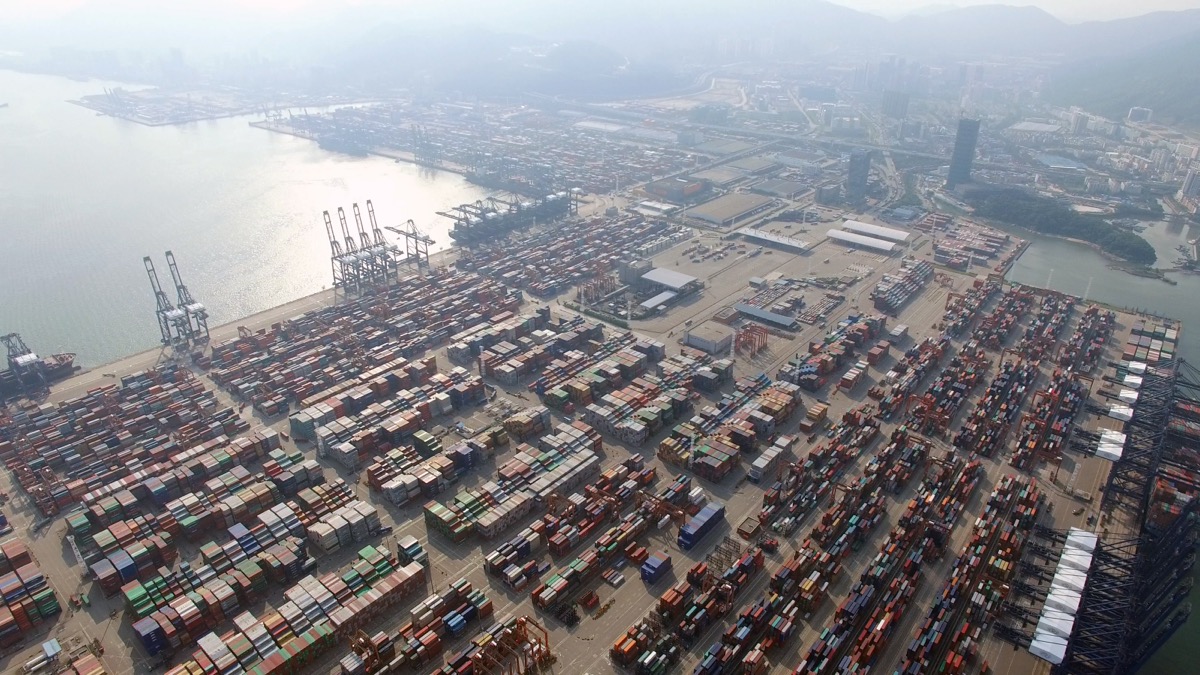
China exported $3.77 trillion of goods in 2025 — a fresh record, up 6.1% on the year, per the country's General Administration of Customs. With more than 190 million registered companies in the national business registry, the question for any importer is not whether a Chinese supplier exists for your product — it's how to find suppliers in China who are real factories, can actually make what you need, and won't disappear with your deposit. This guide covers both halves: where to find Chinese suppliers, and the vetting step almost everyone skips.
That skipped step is expensive. The recovery rate on international supplier scams is typically below 20% of the original loss, and individual losses run from a few thousand dollars to $500,000+ in extreme cases. Finding a supplier is easy. Verifying one before you pay is what separates a clean import from a write-off.
The 30-second version
- China's 2025 exports hit a record $3.77 trillion, up 6.1% — endless supplier choice, uneven quality.
- Five real channels to find Chinese suppliers: Alibaba, Made-in-China, Global Sources, 1688, the Canton Fair (310,000+ buyers in 2025).
- A 2023 China Sourcing Association survey found 18% of importers lost an average of $45,000 to supplier or payment fraud.
- Vet before paying: business-license check, factory audit/video tour, samples, third-party inspection.
- The killer move: read the supplier's real export shipment history in public trade data — do they ship this product, to whom, at what volume.
China sourcing in 2026: what changed
The supplier landscape shifted in 2025. As US-bound orders fell, factories chased buyers elsewhere — and the export mix tilted hard toward high-tech. Electrical machinery and electronics led at over $1 trillion (about 27% of all exports), with mechanical machinery near $604 billion; semiconductors, EVs and shipbuilding grew double digits. For a buyer that means two things: more genuine factories than ever for tech and industrial goods, and a thicker layer of opportunistic traders and shell listings riding the boom. The good supplier is out there. So is the fraud.
"China sourcing" isn't one decision — it's two: pick a channel, then prove the supplier is real. Skip the second and the first doesn't matter.
Where to find Chinese suppliers (and the honest trade-offs)
Every channel optimises for something different — scale, price, or quality. Pick by what you're sourcing and how much risk you can carry.
Alibaba
The default. The widest catalogue on earth — 200,000+ suppliers in electronics alone — flexible MOQs, and Trade Assurance escrow. The catch: it's a marketplace of listings, heavy with trading companies posing as factories, and export prices typically run 10–30% above domestic. Great for research and trial orders; not a substitute for vetting.
Made-in-China
More industrial and factory-heavy than Alibaba, with a stronger emphasis on supplier verification and manufacturing capability. Better odds of reaching an actual manufacturer for machinery, components and heavy goods — a thinner catalogue for consumer products.
Global Sources
The curated end. Stricter listing requirements than Alibaba mean fewer but generally higher-quality suppliers, strong in electronics and at the trade shows it runs in Hong Kong. You pay for the filter in less selection.
1688
Alibaba's domestic Chinese marketplace — factory pricing, often 20–50% below export-focused platforms. The price you pay: the site is entirely in Chinese, most sellers won't ship overseas, and you'll need a sourcing agent or forwarder to bridge it. Where serious-volume importers go for true factory cost.
Canton Fair & sourcing agents
The 138th Canton Fair drew a record 310,000+ global buyers from 223 countries in late 2025, with $25.65 billion in intended deals. Meeting a factory in person and seeing samples on a table is the highest-trust channel there is. A good sourcing agent gives you the same on-the-ground reach year-round — but agents add cost, and undisclosed markups around 40% and kickbacks are a known failure mode. Vet the agent like you'd vet the supplier.
The step everyone skips: verify before you pay
Finding a supplier is step one of two. A 2023 China Sourcing Association survey found 18% of importers lost an average of $45,000 to supplier or payment fraud, with SMEs hit hardest. Modern scammers run polished websites, responsive sales teams and convincing documents — the trust badges on B2B platforms are routinely faked. So verify independently, and stack the checks.
1. Check the business license
Every legitimate Chinese company has an 18-digit Unified Social Credit Code. Take it from the license they send and enter it into China's official National Enterprise Credit Information Publicity System (GSXT) — the government registry covering 190M+ entities. The name, registration status and business scope must match exactly. If their "business scope" doesn't include manufacturing your product, they're a trader.
2. Factory audit or live video tour
Don't accept staged photos. Ask for a live, unscripted video walk of the production line — or commission a third-party audit. A real factory shows you machines, workers and inventory on demand; a broker stalls, reschedules, or "can't access the floor today."
3. Order samples — and a golden sample
Pay for samples before any bulk order, and keep a sealed reference unit. Sample bait-and-switch — a perfect sample, then a degraded production run — is one of the most common scam patterns. The sealed sample is your evidence if the shipment doesn't match.
4. Third-party pre-shipment inspection
Before you release final payment, have an independent inspector check the goods against spec at the factory. A few hundred dollars of inspection routinely catches defects that would cost a full container.
5. The killer move — read their real export history
Here's the check almost no importer runs, and the one that's hardest to fake. Cross-border shipments generate public bill-of-lading and customs records in many jurisdictions: shipper, consignee, product, HS code, quantity, port, date. Aggregated, they reconstruct a supplier's entire export footprint. So before you wire a deposit, answer four questions from the data — not the sales deck:
- Do they actually export? A genuine factory shows a steady stream of outbound shipments. No trail, or two LCL boxes ever, is a red flag.
- Do they ship your product? Match the HS code. A "stainless steel" supplier whose shipments are all garments is reselling someone else's goods.
- At your volume? Need 40 containers a year? Their history should show they can move them.
- To credible buyers? Recognisable consignees in your region mean a factory that already clears Western QC and compliance.
A faked website takes an afternoon. A two-year trail of real shipments to named overseas buyers cannot be invented. That's why export history beats any badge.
Red flags & scams to avoid
The recurring fraud patterns are well documented — learn the tells:
- Payment diversion: a sudden "we changed banks" email, or a personal/third-country account instead of the registered company's. Verify any banking change by phone, never by email alone.
- Shell companies & ghost suppliers: a slick site, a USCC that doesn't resolve in GSXT, and no findable export record. Classic placeholder.
- Prices too good to be true: quotes far under market are bait to win the deposit.
- Pressure and deposit-only terms: "wire 100% today, the price expires tonight." Real factories negotiate terms and milestones.
- Trader masquerading as factory: dodges floor visits, business scope omits manufacturing, shipment record (if any) shows mixed unrelated products.
How ShipScout helps you find and verify Chinese suppliers
ShipScout turns 11B+ shipment records across 240+ countries into ranked, verified supplier and buyer lists — the affordable SME alternative to Panjiva, ImportGenius and Volza. It's the verification and discovery layer that sits over whatever channel you source through.
- Cross-check any Chinese supplier: pull their actual export shipment history — products, buyers and volumes — before you send a deposit. See China company profiles.
- Discover factories by what they ship: find suppliers that already export your exact HS code to credible buyers, ranked by volume, not by ad spend.
- Verify the trail across borders: match a Chinese shipper to its named overseas consignees across 240+ countries — see who really buys from them.
- Contact intelligence where available: reach a decision-maker instead of a generic sales inbox.
Pair the data with the field checks and the playbook is complete: our guides on verifying a supplier before paying, China import-export data, using customs data to find counterparties, and the beginner's guide to trade data go deeper on each. Stop trusting the listing — read the shipments. Start a free trial and vet your first Chinese supplier in minutes.
See who’s importing China suppliers right now.
ShipScout turns 11B+ shipment records across 240+ countries into a live list of verified buyers and suppliers — ranked by volume, with the contacts to reach them. Create a free account and run your first search in minutes.
Start your free trial →