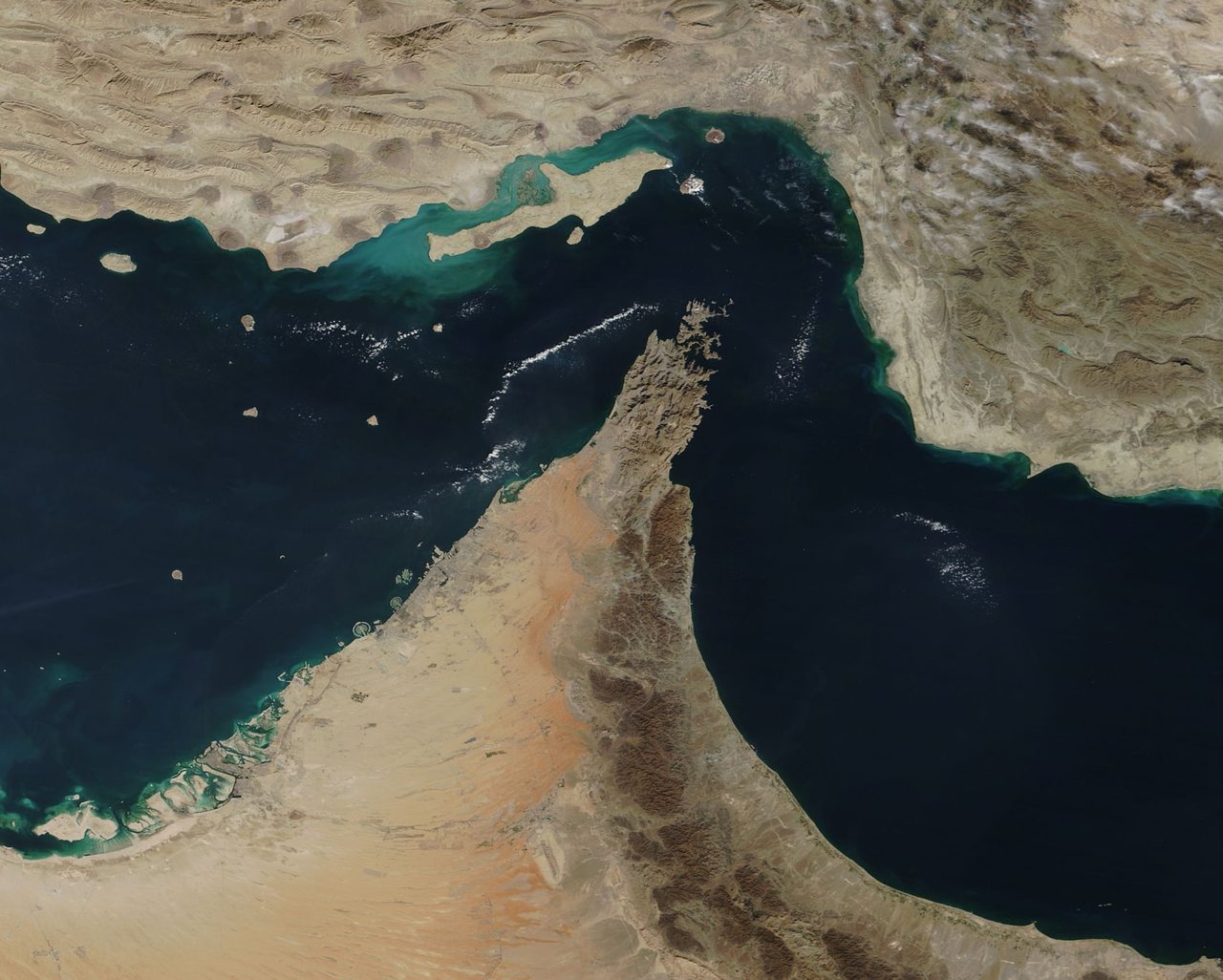
In early March 2026, ship transits through the Strait of Hormuz collapsed by 97%. Almost overnight, the world's single most important oil chokepoint — a 33-km-wide channel carrying roughly a fifth of global petroleum — went dark for Indian trade.
For Indian exporters, the fallout was immediate and brutal. But while most are slashing shipments and waiting for the storm to pass, a quieter group is doing the exact opposite: using the disruption to seize market share their panicking competitors are leaving on the table.
The 30-second version
- Freight on key India lanes jumped 30–50%; container conflict surcharges hit $2,000–4,000.
- Yet India's total exports rose — because winners redirected sales to open markets.
- Exports to Sri Lanka (+214%), Singapore (+179%) and Tanzania (+157%) exploded.
- The play: use global trade data to find who's importing your product in those markets — and get there first.
What actually happened
The effective closure of the Strait of Hormuz forced vessels onto the long way around — the Cape of Good Hope — adding 10 to 14 extra sailing days to journeys that used to be routine. For a country that imports over 85% of its crude and routes a huge share of container trade through West Asia, the shock rippled outward fast.
How cargo reroutes when Hormuz closes: the direct lane (red) is blocked, forcing the long Cape of Good Hope detour (teal).

A warship transits the narrow Strait of Hormuz. Photo: U.S. Navy (public domain).
The damage — the numbers nobody wants to see
Container lines slapped Emergency Conflict Surcharges of $2,000–4,000 per box on top of existing war-risk surcharges. Asia–Europe rates jumped 15–25%. India's automotive components sector — already on thin margins — reported logistics costs up 20–40%, much of it absorbed straight out of profit.
Cost increases reported across India trade lanes during the 2026 disruption.
The government rolled out the RELIEF scheme (Resilience & Logistics Intervention for Export Facilitation), reimbursing up to 50% of incremental costs — capped at ₹5 million per exporter.
The mistake most exporters are making right now
The instinct is understandable: freight is up, margins are gone, so pause shipments and ride it out. The problem? Your buyers don't disappear when you pause — they just buy from someone else.
Demand doesn't vanish in a crisis. It moves. And whoever follows it first keeps the customer.
Every order you don't fulfil is one a competitor in Vietnam, Turkey or China happily takes — and once a buyer switches supplier, winning them back costs far more than holding them.
What the winners are doing — following the money
Here's the part that should change how you see this crisis: India's merchandise exports actually rose through the disruption — from $38.28 billion to $43.56 billion year-on-year. Not because Gulf routes recovered, but because smart exporters re-pointed sales at markets that were still wide open.
Year-on-year export growth to India's fastest-rising destinations during the disruption.
Vietnam, Malaysia and Hong Kong surged too. Electronics exports alone jumped 40%, from $3.69B to $5.18B in a year. And the India-Oman CEPA, live from June 1, 2026, opened fresh West Asian ports and routes that sidestep Hormuz entirely.
The demand for your product didn't die. It relocated. The exporters growing through this crisis are the ones who found where it went — and got there first.
How to find those new buyers — fast
You can't pivot to Singapore or Tanzania on a hunch. To move quickly, you need to know which overseas markets are buying your product, who the active buyers are, and how to reach them before a competitor does.
That's exactly what ShipScout helps Indian exporters do — turning global trade intelligence into a clear shortlist of opportunities. Across 240+ countries and 11+ billion shipment records, we help you:
- See which overseas markets are importing goods like yours — and which lanes are opening up. Explore Singapore buyers →
- Identify the companies actively buying your product abroad, and understand who currently supplies them.
- Connect with the right decision-makers directly — so you can grow exports and make confident, data-backed calls on where to sell next. Explore Vietnam companies →
The 4-step crisis-to-opportunity playbook
- Find the open markets. Use trade data to see which countries are increasing imports of your product right now — start with the surging ones above.
- Pull the buyer list. Get the companies already importing your product there, ranked by shipment volume.
- Study who you're displacing. See their current suppliers and buying frequency, so you know exactly how to pitch.
- Reach out with real contacts. Skip the gatekeepers and go straight to decision-makers already in the market.
Don't cut back. Re-route your sales.
Find verified buyers in the markets still growing — across 240+ countries and 11B+ shipment records.
Browse the Company Directory →The Strait of Hormuz will reopen eventually. The exporters who used the disruption to plant flags in Singapore, Vietnam and East Africa won't be giving those buyers back. Crisis is only a setback if you stand still — for everyone else, it's the cheapest market-entry window they'll ever get.