Two numbers tell the whole story of food & agro trade in 2026. India shipped a record $4.72 billion of spices in FY2024-25 and over 20 million tonnes of rice worth nearly $13 billion — yet the average exporter still finds buyers by emailing strangers off a trade-fair business card. The buyers are visible. The shipment trail that names them is sitting in customs and bill-of-lading records across 240+ countries. Most exporters just never look.
This is the gap that separates a stalled exporter from one adding containers every quarter: not better turmeric powder or cheaper basmati rice, but knowing exactly which company in Rotterdam, Dubai or New Jersey is importing your product right now, in what volume, and from whom. Here is what the 2026 data says — and how to turn it into a named buyer list.
The 30-second version
- India's spice exports hit a record $4.72 billion in FY2024-25, up 6%, on 1.8 million tonnes — pepper alone was $1.52B, cumin $898M.
- Basmati rice exports reached $5.94 billion (6.06M tonnes); total rice topped $12.95B with India holding 40%+ of world rice trade.
- Coffee exports jumped 40% to $1.8 billion; tea hit a 10-year-high 255M kg.
- The global spices & seasonings market is roughly $31–34 billion in 2026, compounding ~5–6% a year.
- Makhana exports grew ~4x since 2020 (25,130 MT in 2024) — the US takes 30%, UAE 20%, UK 15%.
The 2026 numbers: where the demand actually is
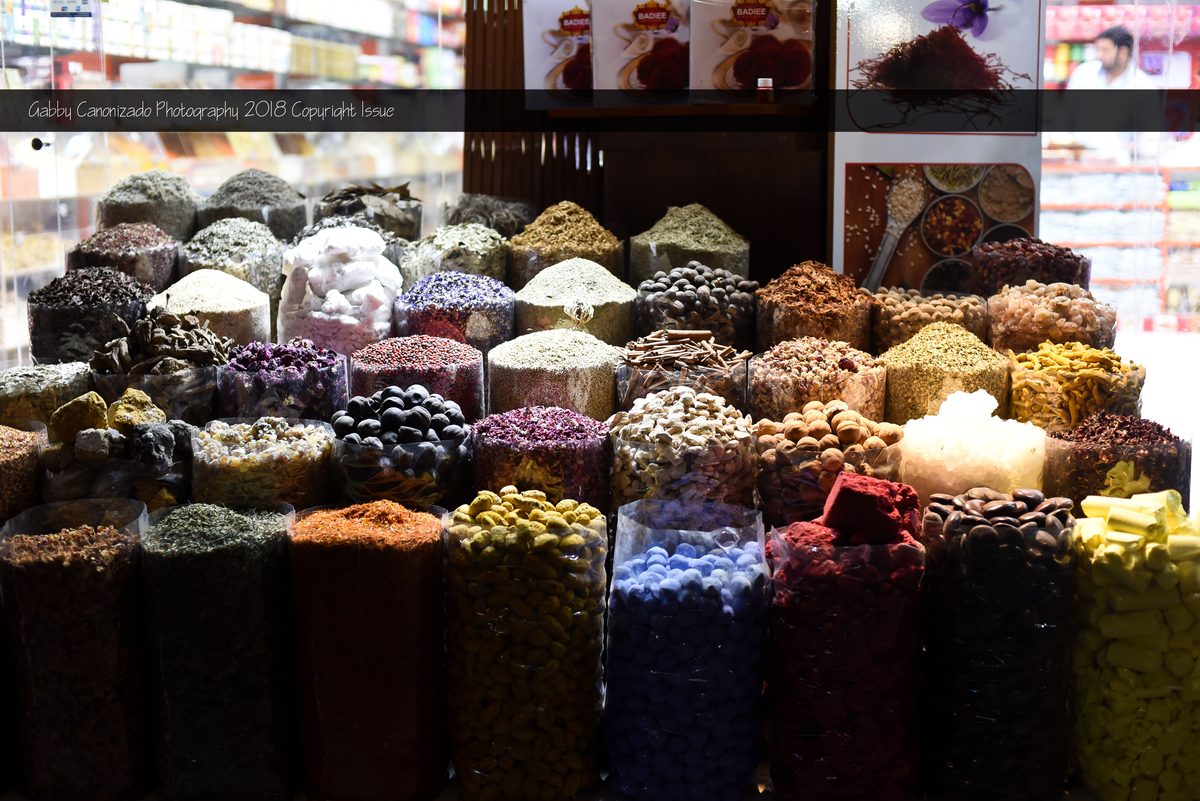
Start with spices, because that is where the value density and the buyer competition are highest. India's spice and spice-product exports reached $4,722.65 million in FY2024-25, a 6% rise in dollar terms, according to the Spices Board figures reported by IREF. Pepper led at $1.52 billion, spice oils & oleoresins at $939.55 million, and cumin at $898.66 million. Globally, the spices & seasonings market sits at roughly $31.7 billion in 2025, climbing to ~$33.6 billion in 2026 on a ~5.9% CAGR, per Precedence Research. That growth is not evenly spread — red chilli, turmeric powder, coriander, cardamom and ginger each have distinct buyer geographies, and the importer who buys your turmeric is rarely the one buying your black pepper.
Rice is the volume monster. India exported about 20.1 million tonnes in FY2024-25 worth roughly $12.95 billion, with basmati rice alone at $5.94 billion (6.06M tonnes) — leaving roughly $7 billion in non-basmati rice, per ABC Live's FY2024-25 breakdown. India commands 40%+ of world rice trade. Critically for 2026 planning: after India lifted its non-basmati export ban, global rice prices fell ~35% in a year as supply flooded back. Margins are thinner; winning now means landing the high-volume buyer, not the spot order.
In a market where rice prices just fell 35% and spice demand is compounding at 6%, the exporter who can name the top 50 importers of his exact HS code has already won the quarter.
Beverages, snacks and the new winners
Coffee is the breakout story: India's exports surged 40.2% to $1.8 billion in FY25, a fourth straight billion-dollar year, driven by instant-coffee demand and elevated global prices, per The Tribune. Tea hit a 10-year-high 255 million kg in 2024, up 10%, with the UAE, Iraq, Russia, the US and UK as anchor markets, per IndusFood. India's broader processed-food exports reached $7.89 billion in FY2024-25 per APEDA data — the basket that carries edible oils, pulses, processed fresh fruits and snack-grade millets.
Then there is makhana — the clearest "new buyer geography" signal in the data. Fox-nut exports grew nearly 4x from 6,700 MT (2020) to 25,130 MT (2024), a ~39% CAGR, with the US absorbing 30%, UAE 20%, UK 15%, Canada 10%, per Mera Kisan. A health-snacking buyer importing makhana into the US is, statistically, also a candidate for your millets, sesame seeds or roasted groundnut/peanuts line. That cross-sell is invisible on a price list and obvious in shipment data.
Don't ignore the bulk commodities either — wheat, sugar, soybean meal, onion, garlic powder and fresh mango, banana, grapes and pomegranate move in containerload volumes where a single recurring importer is worth a year of cold outreach.
From a market trend to a named buyer list
Macro figures tell you the room is full of money. They don't tell you who to email. That conversion — trend to named, ranked, contactable buyer — is the entire job, and it runs on global shipment records, not market reports.
ShipScout sits on 11 billion+ shipment records across 240+ countries — the bill-of-lading and customs trail that names importers and exporters worldwide. Here is the workflow that turns a product into a pipeline:
- Find buyers by HS code. Search your product's HS code (e.g. 0904 for pepper, 1006 for rice, 0908 for cardamom) and pull every overseas company importing it. Browse the full importer/exporter index at /companies.
- Rank the importer list by volume. Sort by shipment count and weight so the top of your list is the buyer placing the biggest, most regular orders — not a one-off sampler.
- Vet the supplier or buyer. Pull a company's full shipment history: who they buy from today, frequency, ports, typical quantities. You walk into the negotiation knowing their real demand.
- Track competitors. See which buyers your rival ships to and when their volumes dip — that is your opening.
The geography of demand decides where you start. For basmati rice, spices and makhana, the Gulf is the anchor — start with importers in UAE. For premium spices, processed food, coffee and the makhana health-snack wave, the largest single market is the US — work USA importers. Germany and Vietnam round out high-value spice, coffee and edible-oil flows. We help exporters find these buyers abroad and make data-backed decisions on where to push — without guesswork.
Find your next food & agro buyers.
Search verified importers, exporters and suppliers across 240+ countries and 11B+ shipment records — ranked by volume, with the contacts to reach them.
Browse the Company Directory →