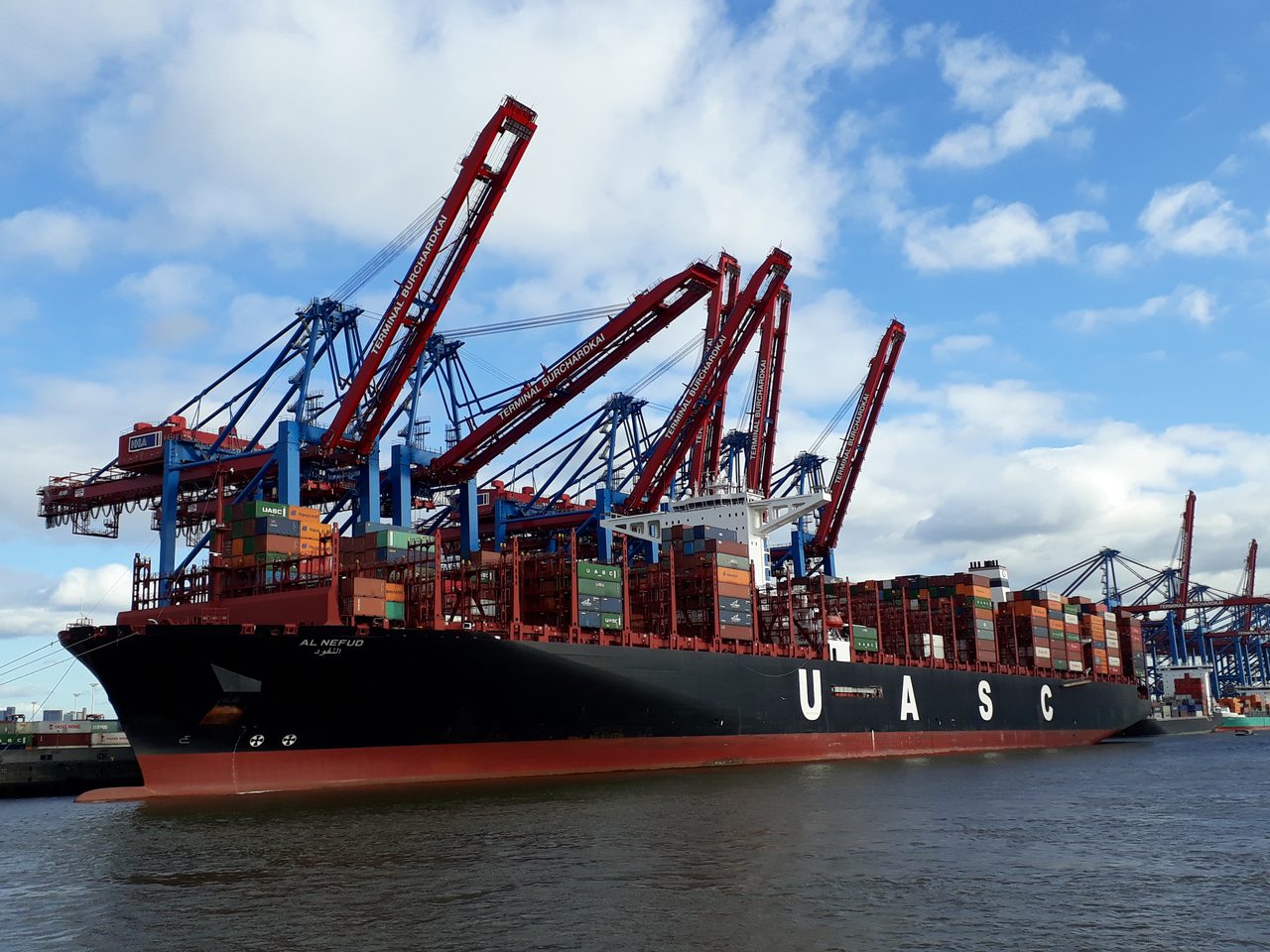
Europe's biggest economy just got dethroned in its own backyard. For the first time since 2023, China overtook the United States as Germany's most important trading partner in 2025 — €251.8 billion in two-way trade versus €240.5 billion with the US, according to Germany's Federal Statistical Office. That reshuffle didn't happen because Germany suddenly loved Beijing more. It happened because Washington's tariffs gutted the transatlantic lane.
German exports to the US slid hard, motor-vehicle shipments alone fell 17.8%, and the once-mighty German trade surplus shrank by €42.4 billion in a single year to €200.5 billion. If you sell into Germany, buy from Germany, or compete with German manufacturers, the map you've been using is out of date. Here's the new one, and how to read it.
The 30-second version
- China is now #1. €251.8B trade turnover, up 2.1%, overtaking the US (€240.5B, down 5.0%).
- US tariffs bit deep. German exports to the US fell 12.1% in Q1 2026; the US surplus dropped 30.5% year-on-year.
- Exports are flat, not dead. Bundesbank forecasts just 0.6% GDP growth in 2026 after two years of recession — a fragile recovery.
- The opening: trade lanes are being rebuilt in real time. Whoever finds the new buyers and suppliers first wins the decade.
Why Germany's trade map is being redrawn
Germany built its prosperity on machinery, autos, and chemicals sold to the world. That model is under genuine strain. Real order intake in manufacturing dropped 5.0% in March 2026 alone, and manufacturing has been the economy's persistent weak spot. The Bundesbank expects GDP to grow just 0.6% in 2026 after two straight years of contraction — recovery, but a fragile one leaning on government defence and infrastructure spending rather than booming exports.
Meanwhile the China relationship has flipped from one-way technology transfer to head-on competition. Chinese firms now erode German market share in EVs, batteries, and smart manufacturing — the exact sectors Germany owned a decade ago. Berlin's response tells the whole story: its new €3 billion EV subsidy program is open to Chinese brands too, and Chancellor Merz led a business delegation to Beijing in February 2026 to keep the door open even while talking "de-risking."
What the numbers actually say
When you line up Germany's top partners by total trade turnover, the new order is unmistakable:
Notice what's hiding in those bars. China's lead isn't built on Germany exporting more — it's built on imports from China rising while exports to the US collapse. Trade with the US fell 5.0% overall in 2025, and in Q1 2026, German exports to America dropped another 12.1% while imports from there crept up 1.9%. The Netherlands quietly holds third at €209.1B, much of it re-export flow through Rotterdam. Intra-European trade is the cushion absorbing the transatlantic shock.
For exporters and importers, that's not a crisis headline. It's a map of where demand and supply are physically moving — and a list of companies whose sourcing just got disrupted.
How exporters turn this into pipeline
Stagnant top-line numbers hide enormous churn underneath. Every German importer that lost a US supplier to tariffs is shopping for a replacement right now. Every machinery buyer squeezed by Chinese competition is renegotiating sourcing. The question isn't "is Germany buying?" — it's "who, specifically, and what are they buying, from whom, at what volume?"
That's exactly what bill-of-lading and customs records answer. ShipScout's Germany trade data turns 11B+ global shipment records into a searchable directory of real buyers and sellers. With Germany customs data you can:
- Find buyers in Germany by HS code — see which German companies are actively importing your product category, and at what frequency.
- Pull a Germany suppliers list for any product, so importers can source around tariff-hit lanes and de-risk away from a single country.
- Track a competitor's German shipments — their volumes, their counterparties, their seasonal patterns.
- Spot the lane shifts as they happen: who's switching from US to EU sourcing, who's quietly ramping China imports despite the de-risking talk.
How importers use it to de-risk
If you're a German buyer, Germany import export data is your insurance policy. When Beijing floated tightening export controls on rare earths and battery machinery in late 2025, every manufacturer dependent on a single Chinese supplier got a cold reminder. ShipScout lets you map the full supplier universe for a component before your existing source disappears — find alternates in Vietnam, India, Poland, or Mexico, vet their export track record, and have a backup line ready instead of scrambling.
The same data verifies who you're dealing with. Before you wire a deposit to a new overseas supplier, you can confirm they actually ship the volumes they claim, to the customers they name. Trade data is due diligence you can run in minutes, not weeks.
Find your next buyers in Germany.
Search verified importers, exporters and suppliers across 240+ countries and 11B+ shipment records.
Browse Germany companies →The window is open now
Germany's trade relationships are being rewired in real time — tariffs, de-risking, a fragile recovery, and China climbing to the top spot. Periods of disruption are exactly when buyer-supplier relationships get reset, and the companies armed with granular Germany trade data are the ones writing themselves into the new contracts. Start with our Germany company directory, or browse global trade data across 240+ countries to map the whole supply chain end to end.