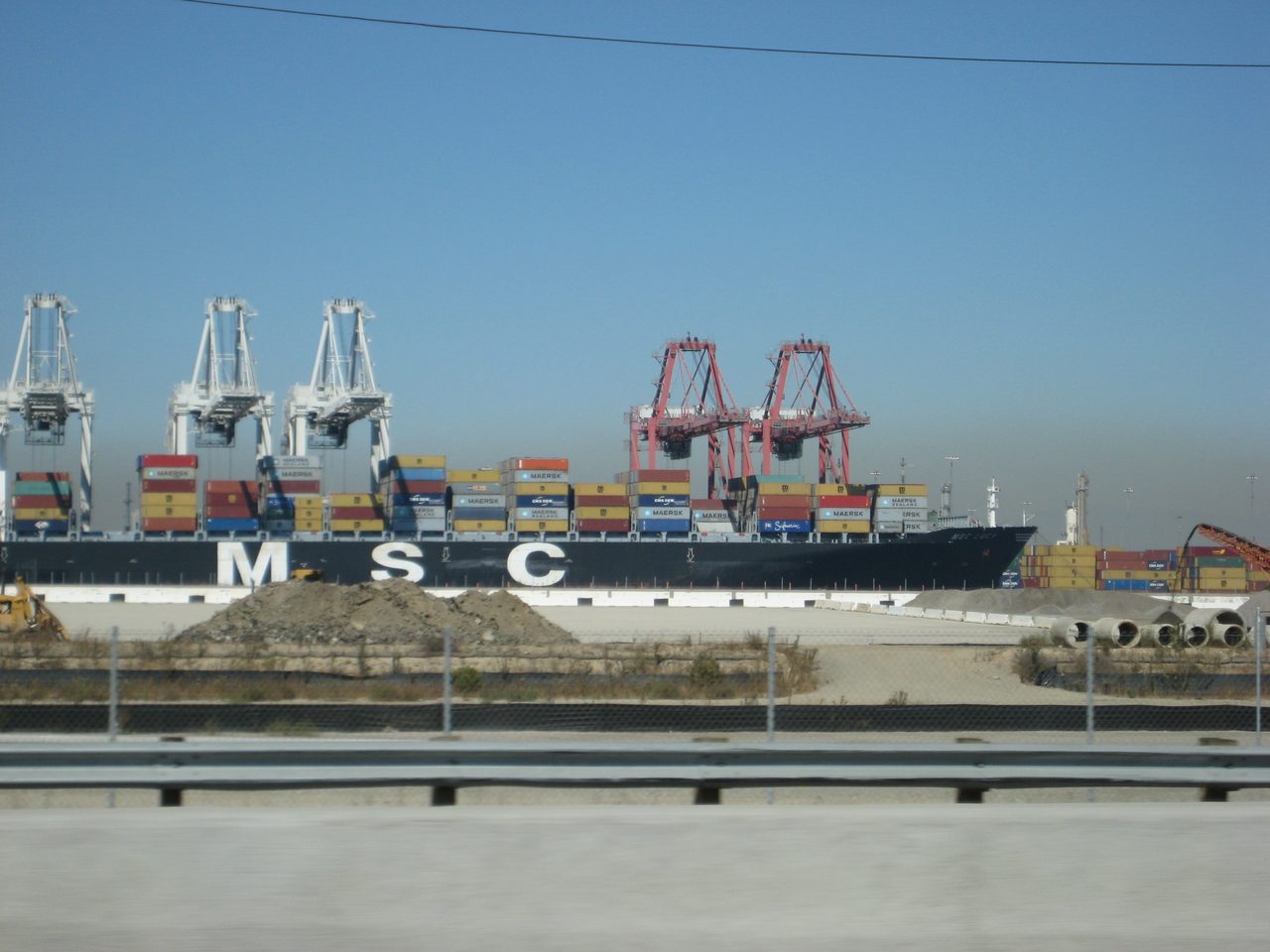
The single biggest sourcing story of the decade just landed in the customs records: in 2025, US imports from China dropped 28% in a single year. China's share of everything America buys from abroad slid from a pre-trade-war peak of 22% down to roughly 9% by the end of 2025 — levels not seen since China joined the WTO in 2001. Behind that headline is a frantic, real-time scramble. Tens of thousands of US importers are tearing up their supplier lists and rebuilding them from scratch.
Here's the part nobody tells you: every one of those moves is sitting in public US customs data. Every container that swaps a Shenzhen factory for one in Vietnam, Taiwan, or Mexico leaves a paper trail — and you can read it.
The 30-second version
- US imports from China fell 28% in 2025; its import share dropped from ~22% to ~9%.
- The winners: Taiwan (share jumped to 8.3%, now ahead of China), Vietnam (6.9%), and Mexico — still America's #1 trading partner.
- The average small-business importer now pays roughly $11,400/month in tariff costs, nearly triple early-2024 levels.
- US bill-of-lading data reveals exactly who imports what, from which supplier, in what volume — public record.
- ShipScout gives you that data for a fraction of ImportGenius or Panjiva pricing. Browse US importers here.
Why the supplier map is being redrawn right now
Tariffs are the engine. The average US tariff on Chinese goods reached nearly 50% by the end of 2025, up from 21% at the start of the year. For thousands of products that figure climbs far higher. The result, per the Peterson Institute, is a structural shift, not a blip: gaming-console imports from China fell 70%, smartphones dropped 40%, and alternative suppliers picked up the slack — laptops from non-China sources doubled, smartphone alternatives tripled.
The money is following specific countries. Comparing the first two months of 2025 and 2026, imports from Taiwan nearly doubled — from $21.7B to $42.8B — pushing Taiwan's share to 8.3% and past China in the rankings, largely on the back of AI computing hardware. Vietnam's share climbed to 6.9% from 3.9%. And Mexico, riding USMCA and nearshoring, remains the United States' top trading partner outright.
If you import, source, or sell into the US, that means your competitors' supply chains are in motion — and so are the factories you could be buying from. The question is whether you can see it.
What US import data actually shows you
Every ocean shipment that enters the United States generates a bill of lading — a customs record filed with US Customs and Border Protection. Aggregated, this is the most powerful competitive-intelligence dataset most businesses have never used. US customs data tells you, shipment by shipment:
- Who is importing from China — and, just as importantly, who quietly switched to Vietnam or Mexico last quarter.
- Which overseas suppliers ship to your competitors, in what volume and how often.
- The exact products (by HS code), container counts, and shipping routes behind a rival's growth.
- New entrants flooding into a category before they show up anywhere else.
Want to find a vetted supplier for a product you're moving out of China? Pull the US import data for that HS code, see which factories already ship reliably to US buyers, and approach them with proof of their track record. Want to know if a potential partner is real? Their import history is right there in the bill of lading data — volume, consistency, and counterparties, all on public record.
Three plays smart importers are running in 2026
- Supplier discovery without trade-show roulette. Instead of cold-emailing factories, search who already exports your product to the US and rank them by shipment volume.
- Competitor tracking. Watch a rival's import cadence. A sudden spike in containers signals a product launch or a big retail order — months before it hits shelves.
- Partner and supplier vetting. Confirm a counterparty actually ships what they claim, at the scale they claim, before you wire a deposit.
The affordable alternative to ImportGenius and Panjiva
Here's the catch with most US trade data tools: ImportGenius, Panjiva, and ImportYeti gate the same public customs records behind steep subscriptions. ShipScout was built as the affordable ImportGenius alternative — the same bill-of-lading intelligence, plus import/export records across 240+ countries and 11B+ shipment records, without the enterprise-only price tag.
With tariffs rewriting sourcing at this speed, the importers who win are the ones who can read the map in real time — find the supplier in Vietnam before your competitor does, spot the rival doubling its orders, and walk into negotiations holding the actual numbers. That's not insider information. It's public customs data. You just need a fast, affordable way to query it.
Start by exploring US importers and their shipment records, or search across our full global company database to trace any supply chain end to end.
Find your next buyers in the US.
Search verified importers, exporters and suppliers across 240+ countries and 11B+ shipment records.
Browse the US companies →